Jumat, 06 Januari 2012

Ada beberapa alasan mengapa harus berkebun

sumber: http://indonesiaberkebun.org/news/2011/10/08/109/ada_beberapa_alasan_mengapa_harus_berkebun.html

Cangkul cangkul cangkul yang dalam. Menanam jagung di kebun kita.
Masing ingat lagu itu teman? Sepertinya asik ya berkebun. Tapi kalau lihat sekeliling kita, mana ada tempat untuk berkebun? Lahan kosong yang agak luas di sekitar kita sekarang sudah jarang. Lihat kanan-kiri rumah tetangga. Maklum, di daerah perkotaan jarang ada tanah terbengkalai. He he he, kalau begitu di mana ya kita bisa berkebun?
Berkebun bisa dimana saja. Memanfaatkan lahan kososng sesempit mungkin. Ada beberapa alasan mengapa kita disarankan berkebun. Pertama adalah untuk menyegarkan udara yang ada di sekeliling kita. Teman, tahukan manfaat pohon bagi kehidupan? Secara, pohon menghisap karbondioksida dan mengeluarkan oksigen. Kedua, berkebun dapat menyegarkan mata dan pikiran kita. Kalau kita sedang penat, lihatlah keluar dan carilah kebun kita.
Manfaat lain yang tidak kalah berharganya adalah, kita dapat membantu mengurangi laju pemanasan global. Berkebun adalah hal yang sepele tapi manfaatnya buanyak banget.
Bingung mau memulai dari mana? Tenang saja, banyak buku tentang berkebun di perpustakaan, atau browshing di interntet.
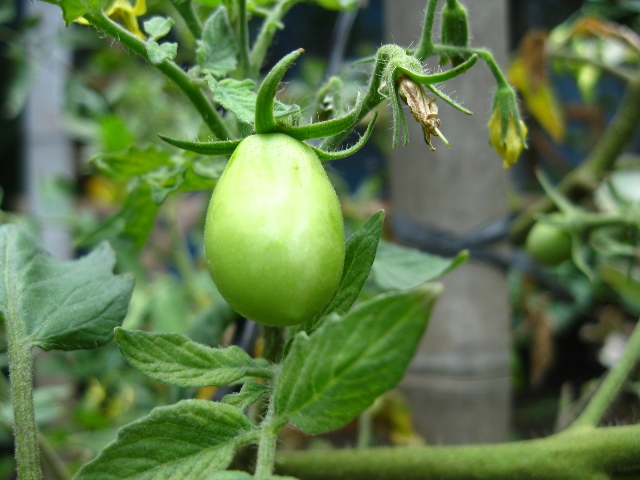
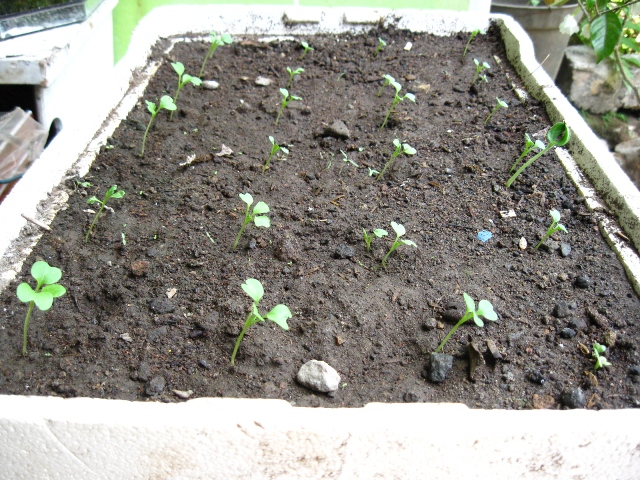
nih, coba liat hasil kebun. beberapa kacang panjang sudah selesai dipanen. sekarang diganti cabai, tomat, sawi, melon dll. namanya juga percobaan.
-Ijodab-


tomat


sawi

Kamis, 05 Januari 2012

CREATIFARMING (creative-farming)

CREATIFARMING (creative-farming) merupakan aktivitas dan instalasi kreatif urban farming yang bertujuan menghadirkan inovasi agar urban farming ini dapat dilakukan oleh siapa saja. Dengan demikian, manfaatnya bisa dirasakan oleh semakin banyak orang. Apa sajakah creatifarming ini? Yuk kita tengok diary BdgBerkebun bulan September-Oktober 2011 lalu !!
Tunza International Conference 2011 pada tanggal 27 September-1 Oktober 2011 lalu menjadi batu loncatan BdgBerkebun untuk mengawali berbagai program yang bersifat berkelanjutan. Program yang bertajuk 'Reshaping our Future through a Green Economy and Sustainable Lifestyle' ini merupakan program lingkungan hidup yang diadakan oleh UNEP yang tahun ini bekerjasama dengan Kementrian Lingkungan Hidup Indonesia sekaligus menjadi tuan rumah di Bandung. Pesertanya adalah sekitar 1000 peserta anak dan remaja dari 150 negara. BdgBerkebun mendapat kehormatan menjadi mitra dalam rangkaian Tunza ini.
Yang paling seru dari persiapan Tunza ini adalah, BdgBerkebun jadi mendapat banyaaak sahabat berkebun baru! Kita semua beramai-ramai menyalurkan ide dan kreativitas (plus waktu dan tenaga tentunya.hehe) kita untuk mewujudkan program kita di Tunza. Program-program tersebut adalah :
1. Urban Farming Installation (UF-I). UF-I merupakan bentuk solusi penanaman kreatif pada lahan terbatas/sempit/sulit untuk di ditanam secara konvensional. UF-I mencoba menginspirasi khalayak umum bahwa berkebun itu mudah dan dapat dilakukan dimana saja. Awalnya UF-I ini dibuat sebagai dekorasi entrance dan rooftop Sabuga dengan menggunakan instalasi vertical garden. Namun dekorasi bukan sembarang dekorasi, karena seusai Tunza, instalasi berupa panel ini disebarkan ke beberapa wilayah, salah satunya ke pemukiman Tamansari sebagai usaha penghijauan pemukiman. Program berkelanjutan ini dinamakan Kampong Urban Farming (K-UF).
2. Street Urban Farming (Street-UF). BdgBerkebun bersama sekitar 600 masyarakat lokal, umum, dan juga pelajar menanam secara serentak di sepanjang pinggir jalan Tamansari dan Siliwangi. Selanjutnya perawatannya bekerja sama dengan Dinas Pertamanan Kota Bandung. Selain itu, setiap akhir pekan BdgBerkebun mengajak masyarakat umum untuk bergabung dalam melakukan perawatan di jalan Tamansari dan Siliwangi ini.
3. Urban Farming Workshop (UF-Workshop). Pada workshop yang diikuti 50 peserta mancanegara ini, BdgBerkebun memberi wawasan mengenai apa itu Urban Farming, apa manfaatnya, serta memberi pengalaman berkebun. Diharapkan ketika pulang ke negaranya masing-masing para peserta dapat menjadi agent untuk memperluas pergerakan urban farming.
Semua rangkaian ini ditutup dengan World Urban Farming Network bersama Indonesia Berkebun. Kita menanam ratusan pohon di Babakan Siliwangi yang telah dideklarasikan sebagai hutan kota dunia bersama 150 peserta Tunza. Setelah itu kita semua menandatangani sebuah stiker yang kemudian ditempelkan sebagai bentuk dukungan kita untuk perluasan pergerak urban farming di seluruh dunia.
Berkat dukungan semua pihak, rangkaian program di Tunza ini berjalan sukses. Huwaaah..seru banget pokoknya! Sungguhpun tak sia-sia semua waktu dan energi yang dikerahkan untuk menyukseskan Tunza m/
***
Weits..diary nya ternyata belum selesai! Tanggal 23 Oktober 2011 BdgBerkebun bekerjasama dengan Teh Kotak dalam event “Thanks to Nature” di Bumi Sangkuriang Bandung. Dengan mengusung tema “Harvesting”, BdgBerkebun kembali berbagi inspirasi tentang urban farming melalui Urban Farming Workshop yang diikuti oleh masyarakat umum dan juga mitra BdgBerkebun adik-adik dari SD Pardomuan. Setelah itu tentunya ada pengalaman berkebun langsung yaitu memindahkan bibit sayuran dari polybag ke krat. Daaaan tak lupa BdgBerkebun punya stand, di situ kita bagi-bagi benih sayur gratis, plus yang paling asik adalah pengunjung merasakan pengalaman memanen sayur dan membawanya pulang! Cihuyy! Senang sekali melihat antusiasme para peserta workshop dan pengunjung stand yang merasakan langsung pengalaman berkebun..
Diary nya akan terus berlanjut, sekarang kami sekarang sedang terus mempersiapkan dan menjalankan program Kampong-UF, School-UF, Office-UF dan tentunya kegiatan rutin kita ngebon tiap akhir pekan. Plus, mempersiapkan beberapa event juga di bulan November..hehe. Apa sajakah itu? Nantikan diary BdgBerkebun selanjutnya.
sumber: http://indonesiaberkebun.org/news/2011/11/02/117/bdgberkebun_creatifarming_perluas_urban_farming_dengan_sejibun_kreativitasmu_.html

Rabu, 04 Januari 2012

tanaman anti polutan ,.. luar biasa....


........... makin hari hubungan batin aku makin dekat dan erat dengan segala jenis tanaman hias yang aku gunakan untuk baik untuk rental, maupun untuk lanskap.


Saat ini aku sedang menekuni tanaman anti polutan baik indoor maupun outdoor, terasa sangat penting dan perlunya kita tahu dan peduli serta mau belajar jenis tanaman dan bagaimana menatanya yang semuanya ber- kaitan dengan pekerjaan aku sebagai seorang Tukang Insiyur Taneman..


PERNAH KEPIKIR NGGAK ATAU KITA SADARI BAHWA, RUANGAN MAUPUN LINGKUNGAN DI SEKITAR KITA PENUH DENGAN ZAT-ZAT BERBAHAYA YANG SADAR ATAU TIDAK SADAR SUDAH MERACUNI TUBUH KITA DAN BISA JADI MEMBUNUH KITA PELAN PELAN???...


Sering kah kita merasakan sakit seperti pusing, nyeri di kepala, mata cepat letih, serta badan mudah lelah seperti yang sering dirasakan oleh orang-orang yang seharian bekerja di dalam gedung perkantoran, yang dikenal sebagai sick building syndrom. Atau kita seringkali bersin-bersin di pagi hari. Ini semua adalah segala jenis penyakit yang disebabkan oleh virus dan bakteri yang tanpa kita sadari terdapat pada benda-benda yang berada di dalam ruangan rumah atau kantor juga gas-gas beracun dari jalanan.,.. hadeehhhh…..belum emosi yang tidak terkontrol tiba tiba ???...


Selain itu ,..AC central juga jadi sumber penyebaran kuman Legionnaire yang menyebabkan radang paru-paru. Debu dalam rumah bisa membuat seseorang alergi pagi hari, di mana orang ini selalu bersin-bersin dan pilek di pagi hari. Radiasi dari monitor komputer mengakibatkan mata lekas letih dan kepala menjadi pusing. Selain itu masih banyak benda-benda di dalam kantor yang mengeluarkan gas beracun. Seperti misalnya gas beracun formaldehid yang bisa dihasilkan oleh lem. Silen/toluen dihasilkan oleh mesin printer, kertas tisue, karpet, kardus karton, cat tembok. Belum lagi gas-gas beracun yang berasal dari asap rokok dan gas buang kendaraan bermotor. Gas-gas beracun tersebut semakin lama akan mengganggu kesehatan….. seremmmm banget

Jadii….kantor aku adalah laboratorium aku untuk uji coba fungsi tanaman anti polutan dan anti radiasi dengan hasil yang dapat dirasakan, dilihat dan juga bisa di sharing langsung dari rekan rekan kerja aku dikantor, dengan demikian otomatis trend jenis tanaman di lingkungan klien klien dapat aku create sendiri.. ( nggak ikut ikutan orang, atau hanya om do doang)


Ini adalah beberapa tanaman yang ada dikantor kami , yang sudah kami rasakan manfaatnya langsung:


1. Sansevierra, biasa disebut lidah mertua, yang sering digunakan untuk menyedot bau, ternyata bukan hanya bau yng disedot tetapi juga efek radiasi komputer yang sangat jahat untuk kita, menjadi sumber kesuburannya, terbukti dengan makin banyak anakan yang tumbuh dibandingkan dengan yang tidak dekat komputer, atau barang sejenisnya ( misalnya mesin fotocopy, printer atau fax, hand phone dll). Sansevieria berkembang biak melalui umbi lapis, termasuk tanaman hias yang sering disimpan di dalam rumah karena tanaman ini dapat tumbuh dalam kondisi dengan sedikit air dan cahaya matahari. Daun tumbuhan ini tebal dan banyak mengandung air (sukulen). Oleh karena itu, sangat tahan kekeringan.Keistimewaan Sansevieria adalah memiliki daya adaptasi yang tinggi terhadap lingkungannya. Ciri spesifik yang jarang ditemukan pada tanaman lain, diantaranya mampu hidup pada rentang suhu dan cahaya yang banyak. Penelitian yang dilakukan Badan Antariksa Amerika Serikat (NASA) telah menemukan bukti-bukti bahwa tanaman ini secara alami mampu memerangi Sick Building Syndrome selain itu juga mampu menyerap lebih dari 107 unsur polutan berbahaya yang terdapat di udara sebab Sansevieria mengandung bahan aktif pregnane glikosid, yang berfungsi untuk mereduksi polutan menjadi asam organik, gula dan asam amino, dengan demikian unsur polutan tersebut jadi tidak berbahaya lagi bagi manusia. Sansevieria juga menjadi objek penelitian tanaman penyaring udara NASA untuk membersihkan udara di stasiun ruang angkasa.

Hebat, dan luar biasa bukan tanaman andalan aku “”

2. Anthurium, (anthurium,sp) ekstra subur dan tinggi bila didekatkan dengan barang barang beradiasi tinggi tersebut, selain itu efek langsung yang dirasakan oleh kita adalah ruangan lebih sejuk, walaupun ac dipasang dengan suhu hanya 25 derajat celcius, ( memang perlu dihitung berapa tanaman harus ditempatkan, dan jumlah manusia yang bekerja agar suhu tsb, tercapai) hemat energi luar biasa???

3. Palem kuning (Chrysalidocarpus lutescens)

Jenis pinang-pinangan yang tumbuh sampai diatas 5 m. Kemampuannya dalam menyerap racun paling banyak jenisnya dan paling tinggi diantara tanaman lainnya. Tanaman kecil cocok diletakkan di dalam rumah dan tanaman besar di pinggir jalan sangat efektif untuk menyerap gas beracun dari asap kendaraan maupun pabrik. Palem Kuning setinggi 1,8 m dapat menghasilkan uap air 1 liter/24 jam dan menghisap zat beracun paling banyak jenis dan volumenya. Kemampuan menyerap Trikloroetilen-nya 16,520 microgram, sedangkan penyerapan benzena 34,073 microgram, dan Formaldehida 76,707 microgram per 24 jam. Luar biasa lengkap, ya.. juga mampu menyerap xylene maupun amonia dalam jumlah besar


4. Philodendron,.Efektif menghisap racun Formaldehid yang terdapat pada lem dan eternit sehingga cocok di letakkan sebagai tanaman indoor. Philodendron mampu menyerap Formaldehida 8,000 microgram per 24 jam.

5. Aglonema..Aku paling suka sama si aglonema karena keluarga Araceae ini banyak mengeluarkan uap air, otomatis ruangan menjadi lembap. Selain uap, Aglaonema juga rajin menyemprotkan senyawa yang dinamai phytochemical yang mampu menekan populasi bakteri dan spora jamur merugikan hingga 50 -60%, yang ada dalam ruangan. Eksperimen telah menunjukkan bahwa amuba atau bakteri yang diletakkan di dekat sehelai daun segar
akan musnah dalam hitungan menit saja. Fungsi lain adalah mengurangi rasa sakit, membantu konsentrasi, menghilangkan rasa lelah dan memperbaiki mood, hmmm …kulitku lembab, pikiran aku tenang,…nyaman deh…


Dari hasil testimonial dari rekan kerja kami yang kami share kepada klien.. menyebabkan lumayan sudah banyak klien klien aku yang makin memahami bahwa kebutuhan mereka untuk menempatkan tanaman yang aku pilihkan agar mereka sehat dan tetap semangat dalam kerja walaupun seharian dalam ruang ber AC. ( tidak terkena Sick buiding syndrome) …….ataupun kontribusi si empunya gedung untuk menanam tanaman yang clean and purified the air, sebagai wujud dari menyumbang pohon bagi penghijauan kota agar dampak Heat Island Effect menurun

Masih banyak aku harus lakukan eksperimen lagi, tapi saat ini cukup 5 jenis saja yang dapat aku sampaikan semoga bermanfaat,.

Last but not least, aku terkenang kenang dan berterima kasih sekali kepada ayahandaku, yang sudah berpulang ke Rahmatullah, tanpa menyaksikan keasyikan aku berteman dengan si Hijau, hanya prinsipnya yang selalu aku ingat dan berusaha aku terapkan yaitu,

LINGKUNGAN HIDUP ADALAH LINGKUNGAN YANG HIDUP DAN TEMPAT UNTUK HIDUP, .. ARTINYA LINGKUNGAN ITU HARUS TETAP HIDUP DAN DIJAGA KELANGSUNGAN HIDUPNYA.


Kiat tanaman sehat dalam ruang:

1. Pori-pori pada daun tanaman merupakan bagian yang bertugas menyerap zat-zat beracun. pori-pori tanaman ini dapat tertutup oleh debu. tanpa terkecuali tanaman di dalam ruang yang tidak terkena air hujan yang dapat meluruhkan debu-debu yang menempel. Karena itu lap permukaan daun secara berkala dengan kapas dan air, agar pori-pori daun terbebas dari selimut debu.
2. keluarkan tanaman ke luar ruangan agar ia terkena matahari yang cukup. Setidaknya, setiap 2 atau 3 hari sekali, jemur tanaman tersebut di halaman. Tukar dengan tanaman berjenis sama, sehingga dapat bergantian di letakkan di dalam ruangan. (LS)

sumber :http://indonesiaberkebun.org/news/2011/10/19/113/tanaman_anti_polutan_luar_biasa.html

Selasa, 03 Januari 2012

Soil Acidity and Plant Problems

When the acid soil to note are:
Correcting soil acidity to match the pH of the necessary plant, pool and pond.Saturation neutralize substances - substances that poison the soil, plants, pools and ponds where the substance is a substance much like Al (aluminum), Fe (iron), Cu (Copper). Improve the effectiveness and efficiency of absorption of substances - nutrients that already exist in the soil both derived from organic materials and provision of other fertilizers such as urea, TSP and KCl. Maintain high availability of micro nutrients according to crop needs. This means that with Calcium (CaO) and magnesium (MgO) is quite sufficient elements mikropun. Improve soil porosity, soil structure and aeration as well as beneficial for microbiological and chemical soil so the soil becomes loose, smooth circulation of air in the soil and makes the seedling roots were free to move to suck nutrients from the soil. Activator various types of plant enzymes, stimulate the formation of compounds of fats and oils, and carbohydrate. Helps translocation of starch and phosphorus distribution in the body of plants. Leaf color-forming elements (Chlorophyll), so as to create the perfect green leaf

Calcium and magnesium are given in ponds / pond fish is one way to enhance the productivity of conventional pools / ponds as well as a sanitary way to clean the pool / pond of pests and diseases

Calcium deficiency symptoms (CaO) and magnesium (MgO):
 In the grain-producing plants will produce seeds weak, wrinkled, and flat does not contain
 Flower buds and fruit rot and will eventually fall
 Death of growing point on the shoots and roots of plants
 Edge of young leaves have then spread ketulang chlorosis of leaves, buds or young shoots dead plants
 In older leaves brown spots appear, then turn yellow, dry up and die

Impacts and loss of Calcium and Magnesium deficiency:

Calcium and Magnesium deficiency in the soil, making the soil acidic reaction, resulting in other nutrients such as phosphorus and potassium are bound so it can not be absorbed by plants with a maximum, given pempukan ineffective and inefficient. low crop productivity decreases with the quality of the results are less good. economically harmful because of low incomes.
Calcium and Magnesium deficiency will increase the element of Al (aluminum), Fe (iron), Mn (manganese), Zn (cents) and Cu (copper), the substance in excessive amounts will become toxic to the soil, disturb plants, pools and ponds

Denutrisi in plants resulting in plant resistance to pests and diseases is low.

Basic fertilizer of neutral soil

1. mengadung elements N and P as: kletong cows, chickens, bats etc.

2. banana weevil contains many elements of Potassium


NITROGEN (N)

Nitrogen in plants as a constituent element is the building blocks of protein which is a high molecular weight compounds containing 15 -18% N and consists of chains of amino acids bound by peptide bonds. Protein is vital in the functioning of plants. Nitrogen transported to the leaf canopy as inorganic ions or can be in the reduction in the root area and transported in the form of organic N, amino acids or amides.

Kekuranga N causes the growth rate is very disturbed and plants to look emaciated. N deficiency also leaves will turn yellow or have a lower leaf klorosis.dimulai then all the leaves brown and die.

N deficiency often occurs in areas with a low N supply (soil and soil organic Pasiran with high rainfall), since N is lost as products in use, leaching, or denitrification then it must be balanced with an adequate intake of N fertilizer N when the crop expected either.

How to fertilize N

            Basic considerations in use to carry out pemupukkan Nitrogen is the nature available on or aksidatif aerobic conditions will be oxidized to nitrate in the form of negatively charged anions. If the negative charged anion can not be settled down in a long time around the roots. Negatively charged soil can not hold it, so the anion N will be leached deep into the soil layer to a depth of a reductive. efficiency is the lowest in pempupukkan pemupukkan that the sow. so that effecti pemupukkan should be buried until a reductive layer so that the N maĆ­z in the form of positively charged cations. To optimize pemupukkan need to do repeatedly. example if the dose is in need of 200 N / ha then given 2 -3 times within a specific time interval so that loss due to leaching and utilized fewer banyak.untuk plants more acidic environment of N fertilizer should be given the existing nitrate reacts alkaline. (eg ammonium nitrate) environmental neutral / alkaline you should use a fertilizer with manure mostly in the form of ammonium (urea).

Pemupukkan N through leaves in berbolehkan to overcome the obstacles in likungan roots but should with a low dose in kawatirkan of dehydration due to salt concentration in the leaves that causes brown spots and terbakar.kebutuhan N on prisipnya fixed by considering the roots are very much N needs.

PHOSPHORIC (P)

Phosphorus levels in the plant last ranks lowest in the class of macro nutrients along with Ca, Mg, and S. levels Approximately 1 / 5 -1/10 levels of N.

The role of P in plants is to transfer energy. energy derived from the oxidation of sugar or photosynthesis. P pirophospaht transformed into an unstable bond in the form of adenosine triphosphat (ATP). ATP serves as the transfer of energy for the synthesis of biochemical reactions, such as synthesis of lipids, starch and protein, to the mechanism of active uptake of nutrient elements, tranpor substances through the membrane.

P also has an important role in plant membranes, where phosphorus is bound to the lipid molecules which are compounds known as P pertumbuahan fosfolipida.kekurang plant will be disrupted due to a decrease in the synthesis of membrane integrity and reduce fosfolipida immense influence on the process of photosynthesis, respiration, absorption ion, and the binding energy.

P deficiency signs:

- Pertumbuah Trubus low

- The color purple leaves (anthocyanin pigmentation

- Dark green color with abnormal growth.

To foster P

Constraints in pemupukkan P P is the nature of the precipitate in an acidic condition in the form of Fe phosphate and phosphate sedangakan AL in bases on endapkan in the form of calcium and magnesium. phosphate precipitate in the form will not be available in the plant. in limestone soil P in barengi pemupukkan with reactions such as the use of soil organic so happy willingness to P increases. contrary in acid soils can be directly ditersedia pempupukkan P because P soluble in acid.

In the land of high mountains containing alofan have properties that can perform high phosphate fixation, can reach 5 TP / ha, in a fixed state, phosphorus unavailable to plants.


Potassium

Potassium (K) is the second largest after the nitrogen element in the larger tanaman.kadarnya 4-6 times greater than that of P, Ca, Mg, and S. Potassium absorption in the form of cations K monovalensi. K transformation does not occur in plants

The role of K in plants can be grouped into four:

1. Organic acid neutralization

Because of their abundance, these positively charged ions can balance out the negative charge of anion clusters of organic molecules, such as organic acids.

2. K ion actively played a vital role in relation to its functions air.jadi

Opening and closing of stomata, helps in reducing the loss kekembaban when crop stress menagalami water shortages.

Potassium deficiency (K) plant will:

 - Plants susceptible to disease

- When drought stress because the plants will lose control of speed and suffer drought transpirasii internal

- The stem will be weak and easy to collapse.

To foster WITH K:

The main issue in pemupukkan K is low due to loss of potassium when panen.kandungan peat soils of low K, and K fixation by clay minerals montmorillonite and soil within Grumosol. We recommend that the harvest of rice straw in the back and in the fuel as a substitute for the missing K fertilizer.

Potassium sources are:

- The remains of plants and microorganisms jasat

- Irrigation water and soil solution in

- Ash plants and fertilizers

- Ash leaf tea contains 50% potassium

- The young leaves of sugarcane contains 60-70% potassium


Sulfur

Sulfur content in plants similar to Ca, Mg, and P. sulfur moves upward in the plant in the form of SO 4 S anorganik.kekurangan young leaves will be chlorotic. leaves shriveled and did not develop if for bici grains are not optimal results.

S has been available in the soil, when will keracunan.S were mostly derived from MgSO4, FeSO4, ZnSO4 and sea salt contains sulfur.lautan is the source S and the volcano.


CALCIUM (CA)

Calcium is absorbed by plants in the form of Ca. Klasium in plants are dlama divalent cations form or bound to macromolecules or precipitated as calcium salts

Calcium (Ca) is a very important element in the nutrition of all types of higher plants, but some elusive physiological functions. Physiological function of calcium is as follows:

- Structure and function in the cell wall and membrane

- Transport of various compounds into the cell

- Increasing levels of mitochondrial proteins

- Elongation of cells, roots and shoots of plants

- Structure and stability of chromosomal

- Translocation karbonhidrat

Ca deficiency resulted in al:

- Growing point in the roots will suffer

- Roots grow like mad, become damaged structure, shows such as twisted and bent padak growth point, an acute shortage will die.

- The leaves will yellow to white, then leaf chlorosis will scroll, and plant growth will be in chaos.

To foster CALCIUM (CA)

CA is used to improve soil reaction on tanah2 tropical and peat soils that are in need of lime asam.untuk determine levels of aluminum can be tested in the exchange (ALdd)
sumber: http://indonesiaberkebun.org/news/2011/11/09/118/keasaman_tanah_dan_permasalahan_tanaman.html

Senin, 02 Januari 2012

California's Harvest Organic Papaya

A
Papaya California is actually the development of specialist plants in Indonesia. This type of papaya was developed to experts in the IPB. California papaya seeded because it is distinctive, tender meat and the size of the more interesting (unique) than other types of papaya. Another advantage is that the fruit flavors and durability. Reddish flesh, sweet taste fresh and soft texture so well liked.
Growing Conditions
Papaya plants can grow in the lowlands to a height of 1,000 m asl. These plants prefer to grow in a location that a lot of rain (enough available water), rainfall 1000-2000 mm per year and evenly throughout the year. In dry climates, rain season 2-5 months, 6-8 months and seasons kemaraunya, papaya plants are still able to bear fruit, as long as the water depth of 50-150 cm soil. Fertile soil with good porosity, containing lime, pH 6-7 and were the most coveted of papaya plants. Papaya plants prefer open areas (not shaded) and not waterlogged. Not well drained soil causes the roots of plants susceptible to disease.
Cultivation
Propagation of plants: Papaya is propagated by seeds only in black. White seeds are discarded because of abortion, which does not have died since the embryo and fruit valve. Seeds taken from fruits that have matured perfect papaya tree. To produce perfect plants as much then that will be bred seeds taken from the tip of the papaya fruit that has matured trees. The seeds of the end of a perfect crop of fruit will produce between 70-80%, whereas the base of the plant produces between 50-65% perfect. Seed was sown or planted directly. Papaya cultivation of plants grown from seed selected. Seeds sown in small polybags and are planted in the garden after the age of three months. Selection done when the plants start flowering. In this selection the selected plants that flower only perfect. This selection can be done in the garden or while on the pot. Planting holes are made size 60 cm x 60 cm x 40 cm, then filled with manure that has matured as much as 20 kg / hole. Spacing is made of 3 m x 3 m or 13.5 m x 2 m. Generally, the plants start flowering after the age of three months. Perfect flowers appear after the flowers to-4. Another common way of planting farmer is planting papaya seeds directly into the planting hole, each hole is planted 3-5 seeds. After about three months old seedlings, usually male flowers begin to grow. After that, the selection, ie discard male flowering plants. Each hole left from one seed to grow stout, healthy, and perfect bloom. Flowers perfect (in a flower pistil and stamens are fertill)-usually only appear after the flowers to-4. Seeds that are not selected discarded or moved to another hole embroidery on the seeds do not grow. Transfer of seedlings should be careful, with the land that surrounds the roots of seedlings. Seedling root damage resulting in plant wilting / dying.
Maintenance
Artificial fertilizers are given in the form of NPK as much as 25-200 g per plant, depending on its age: The dose ranging from 25 g of fertilization, then increased at intervals of 25 g per plant. Fertilizer is given 3-4 months. Plants begin to bloom continuously (not seasonal), but the need of water at least once a week when the drought (dry season). Further treatment, clean the weeds / reeds. Cleaning the garden with a hoe or tractor must be careful not to damage the roots.
Giving the first TGHProvision of TGH, 3 days before planting, spray the solution of TGH in the hole that has been given manure. This stage takes 2 liters TGH 200liter mixed with water to measure 1 hectare. Can be given at least 1 day of administration manure (TGH is more effective than previous versions!).
Giving a second TGHAt age 10 days, spray the solution on row crops TGH. At this stage takes one liter of TGH with 100 liters of water.
The third provision of TGHAt age 20 days, spray a solution of TGH on land (around the base of the stem). At this stage takes one liter of TGH with 100 liters of water.
 

1 


The fourth provision of TGH
At age 30 days, spray the solution on the land TGH / around the base of the stem. At this stage takes one liter of TGH with 100 liters of water.
At a later stage to give fertilizer TGH 1 time 2 months. If time is concurrent with the provision of chemical fertilizers, give a distance of approximately 1 day after using the fertilizer TGH.
Pests and DiseasesPests which frequently attacks the papaya crop in the dry season is the red mite Tetranychus kansawai and yellow-colored aphids Myzus persicae. Aphids which is the vector and virus spreaders curly (mosaic) papaya farmers who feared because difficult to eradicate. Diseases that attack crops in humid conditions and cool night temperatures are spotting of fruit Colletotrichum gloeosporioides and root rot disease Phytophthora palmivora. In addition, another disease that often attacks the papaya plant is papayae bacterial wilt bacterium. Plants are attacked by bacterial wilt will show symptoms of wilt suddenly, without marked by yellowing of leaves. The fruit is still young, pale and watery sap sekaii. Typically, young fruit fall. Root rot and wilt disease can be prevented with good drainage garden. Pests red mites and aphids can be overcome by spraying 0.2% Kelthane.
Harvest and Post HarvestPapaya fruit harvested at mature stage approached the tree, ie, after the fruit shows yellowing lines.
Benefits of Papaya
In addition to the consumption of fresh fruit, ripe papaya fruit can be processed into papaya sauce. Half-ripe fruit is usually made sweets, while the young fruit disayur. The young leaves and flowers made ointment (cooked salad) and knapsack. Plants that still leaves 3-5 strands and young fruit can be taken sap to papain. However, the stems can not be used for building materials. Papain is used for tanning leather and soften the meat and cosmetic ingredients


sumber : http://indonesiaberkebun.org/news/2011/11/11/120/panen_pepaya_california_organik.html

Minggu, 01 Januari 2012

Let's Gardening at Yard House

Gardening certainly a fun job. Instead of looking at a blank home page, how beautiful wooded. Deal with a variety of ornamental plants, fruits, or herbs can make leisure time more useful. The atmosphere seemed a place to stay fresher. But, what if do not have adequate land? Or just an inch of ground in front of a mediocre house? In fact, the desire to care for a very large tree. About it, baseball needs to be discouraged really. Mothers, fathers, or adolescents who have retired can still do it on the sidelines of the daily routine activities. Vertikultur is an efficient way of farming land. Very suitable to be applied in dense residential areas.
Vertikultur words taken from English, verticulture which is an amalgamation of two words, vertical and culture. The sense is a way of farming is done with multilevel systems. Cultivate the land in this system is not much different with such planting trees in an orchard or rice fields.
But there are advantages to be obtained, with minimal land capable of producing maximum results.
vertikultur.jpg

In conventional agriculture in general or, perhaps one square meter can only be planted five trees. Through tiered or terraced pattern, can be covered up to five cigarettes.
The trick is to make a shelf to put plants. Without having to plant them directly on the existing land. Shelves can be made of wood, board or seasoning.
If you want more powerful can use iron or stainless steel frame. But it's more expensive to make.
About the model and size, up to creativity customer. Made in such a way as to be able to cram a lot of plants. In general, the rectangular, triangular, or shaped like stairs. With some of the steps or the number of racks. What is important is a powerful and easy movable.
Some forms of buildings combined with ingredients such as zinc or aluminum rectangle. Its usefulness is to strew the ground, as the planting medium. It is similar to the rice terraces or gardens.
A number of flower pots can also be lined up on the shelf. Problem container tree, do not have to buy it on the market. Try and look into the shed or porch. Paint cans, used lubricating oils, or plastic bottles of mineral drinks that are not used, can be utilized.
Antibanjir
In the manufacture of frame buildings, which need to be considered is the height. Treatment plants will be easier if the racks are made appropriately. Because understanding terraced farming, of course, is like a ladder, piled up.
Not directly planted in the ground in the yard, but addressed the floor. The distance a little bit high from the ground, very useful if there is standing water. The floor stays clean even when it is placed around the room tiled or ceramic.
Shelves easily put it anywhere as you wish. Could be in the front yard, side, above the level, even in the room though. Building frame made higher to prevent terendamnya plants by water.
Creativity in the home can be channeled to the paint pots or shelves. To add a touch of art is more interesting. Combined also with different colors of various types of plants. May also be coupled with pot paraphernalia, such as water containers underneath or hanging pots.
In addition to ornamental plants, trees planted drugs also very good. Fair to add to the collection, very useful anyway. This type of tread virgin, bitter or broken glass with ease of living in the pot.
Not only that, the combination tabulapot (fruit plants in pots) will add to the contents of "garden" is more dense. To get it, go ahead to the seller's plant. A variety of small trees bear much fruit already provided.
Drums or cans of paint remaining once the largest size is well suited as a container. It's kind of trees are too heavy put on the shelf. However, the father or mother can adjust the placement.
Vertikultur highly suitable for cultivation of seasonal crops such as vegetables. In addition to plant it easy, enjoyed immediate results. Various vegetables can be planted include celery, lettuce, kale, spinach or basil. Tree peppers, tomatoes, or eggplant, is also easy to grow in pots. This type of poly bag or thick plastic bags are black, can replace the function of potted plants.
Live how to treat and manage it alone. If the result is excessive, sold as an additional family. Besides healthier and environmentally friendly.
Why, what is the connection? because the cultivation of this farm, the family members no longer need to spend money to buy fertilizer. Able to make your own natural fertilizer from the remains of kitchen scraps. Pieces of vegetables, fruit peel or leftover food is organic material that is useful. Material that is easily decomposed by soil and is required by plants.
Manufacture enough stockpiled in the soil. Allowed to decompose for about a month old. After that can be used as a planting medium. With augmented by a mixture of sand, loose soil, compost and fertilizer. Measuring a balanced, ie 1:1:1.

Kamis, 29 Desember 2011

Menata Taman yang Mungil Namun Indah


Setiap bangunan rumah pasti mempunyai sejengkal tanah kosong. Lahan yang kecil ini akan sangat menentukan untuk menambah keasrian rumah anda. Tampilan suatu taman jelas tidak tergantung dari ukuran dan luas dari lahan. Bila dikerjakan dengan penuh perhatian dan desain yang matang, sebuah taman mungil bisa memperindah rumah tinggal secara keseluruhan. Ada berbagai macam cara agar taman mungil terkesan menggemaskan dan mengagumkan. Memiliki taman mungil dirumah sangat dianjurkan karena selain memperindah wajah rumah juga akan sangat baik bagi kesehatan dan psikologis. 
Tiga hal yang perlu diperhatikan dalam menata taman adalah :
Pertama, Jika kita mempunyai lahan yang terbatas (sempit) salah satu rumusnya adalah jangan mempunyai keinginan hendak memindahkan taman orang lain ke taman sendiri. Hal ini dikarenakan orang cenderung ingin memiliki apa yang telah dimiliki tetangga atau orang lain. Karena lahan yang kita miliki terbatas, buatlah taman mungil dengan aneka jenis tanaman yang juga mungil (kerdil) hal ini untuk mencapai proporsi yang seimbang antara taman dengan fasade rumah kita.
Kedua, bagaimana dengan arah sinar matahari, hal ini akan berpengaruh terhadap kondisi pencahayaan ditaman dengan pemilihan jenis tanaman. Jika taman tidak mendapatkan sinar matahari yang cukup, dapat memilih jenis tanaman yang menyukai keteduhan (tidak terlalu membutuhkan sinar matahari). Arah edar matahari ini sangat penting karena berpengaruh terhadap proses fotosintetis pada tanaman di taman kita.
Ketiga, kondisi tanah dan penyerapan airnya. Untuk menghasilkan taman yang baik, diperlukan kondisi tanah yang subur. Tanah dikategorikan subur jika kadar humusnya tinggi sehingga lebih mudah dalam menyerap air. Untuk kota-kota besar, biasanya kondisi tanahnya kurang subur untuk itu perlu perawatan sebelum menbuat taman. Yaitu dengan mencampur tanah dengan pupuk kandang atau kompos.
Untuk menata taman mungil, ada dua hal penting yaitu penentuan elemen lunak (soft material) dan elemen keras (hard material).
Elemen lunak ini terdiri dari jenis tanaman apa saja yang akan kita tanam. Apakah tanaman perdu, tanaman merambat (kembang telang, alamanda cathartica), tamanan peneduh, tanaman berbunga dan tanaman penutup tanah (seperti krokot, blue eyes, bawang-bawangan maupun rumput). Yang perlu diperhatikan adalah proporsi antara tamanan yang rendah sampai tanaman yanga tinggi, sehingga kelihatan menarik.
Air juga termasuk elemen lunak yang sering kita hadirkan dalam taman. Keterbatasan lahan dapat kita akali dengan membuat kolam kecil dengan air terjun mini di tembok yang sudah disulap dengan bentuk batu-batuan taman tebing. Taman tebing ini selain untuk alasan estetika juga berfungsi untuk menyembunyikan tembok pembatas rumah yang masif dan licin. Selain itu juga sebagai jalan keluar apabila kondisi tanah di rumah kita memang sangat tandus dan kurang subur.
Kehadiran kolam dengan air yang terus mengalir akan menambah suasana sejuk ditaman. Untuk memperlancar sirkulasi air diperlukan pompa air otomatis sehingga sirkulasi air tetap terjaga. Suara gemericik air akan menambah suasana teduh dan tenang. Untuk lebih menonjolkan nuansa alami, ada baiknya dilengkapi dengan tanaman air atau dengan tempayan khusus. Tanaman air seperti lotus, apu-apu atau water poppy akan mampu melunturkan kesan keras yang ditampilkan oleh bebatuan . Untuk menghindari menjadi sarang nyamuk ada baiknya dipelihara juga beberapa ikan yang ditempatkan di kolam.
Sedangkan elemen keras terdiri dari bebatuan, yang sering dipakai sebagai pendukung keindahan taman. Lempengan batu alam ini dengan bentuk komposisi yang tidak beraturan dapat berfungsi sebagai jalan setapak dan akan menambah kesan alami. Taman memang tidak selalu memiliki jalan setapak, namun jalan ini berfungsi sebagai sirkulasi yang memungkinkan kita menjelajahi seluruh taman tanpa menginjak rumput atau tanah. Ada berbagai jenis pemilihan batu alam yang ditawarkan dipasaran, tinggal disesuaikan dengan selera dan kantong kita. Keindahan taman mungil semakin lengkap jika ditambah dengan patung sebagai ornament estetis maupun lampu taman. Selain sebagai penerangan, lampu ini akan membuat taman tampil dramatis di malam hari. Ornamen estetis seperti tempayan juga akan membuat tampilan taman mungil lebih memikat. [Sukawi, ST, MT - Dosen Arsitektur Undip]